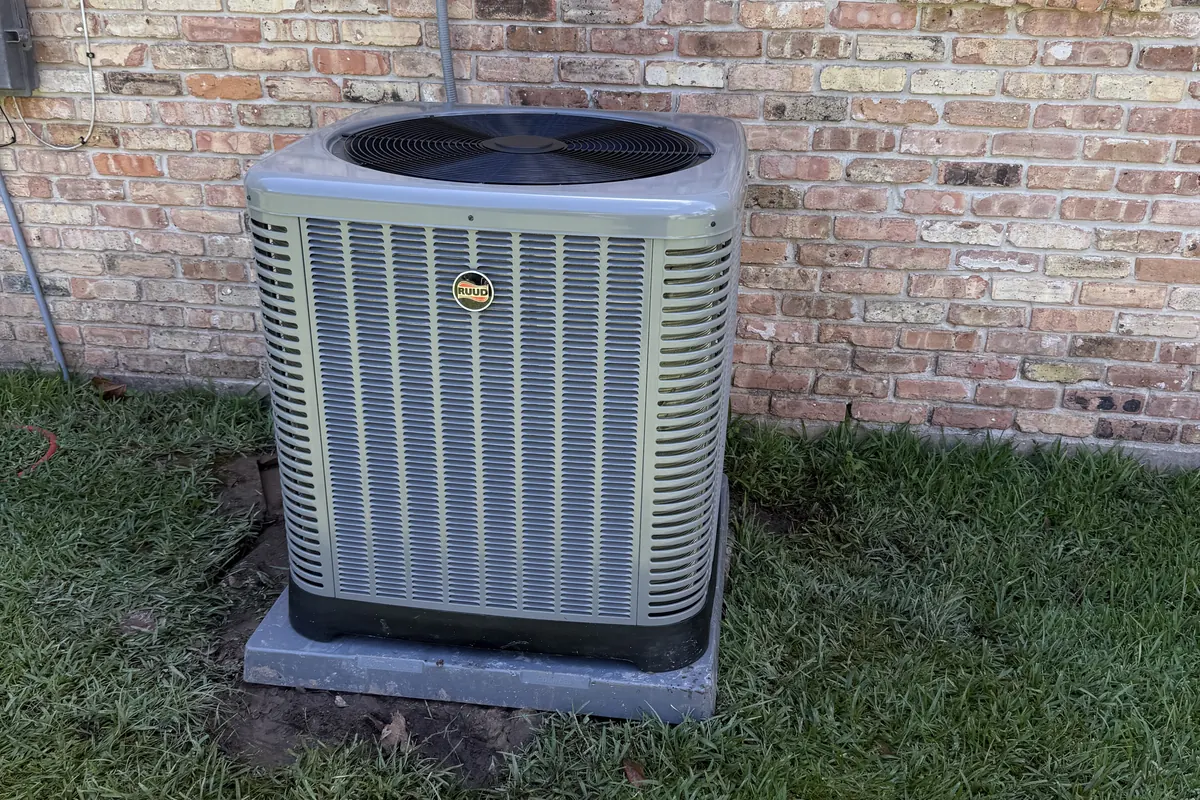
Most central air conditioners last about 7 to 15 years and heat pumps 10 to 15. Here is what decides where yours lands in a Louisiana climate, the signs it is near the end, and how to stretch the years you have left.
How long does an air conditioner last in Louisiana?
Most central air conditioners last about 7 to 15 years, and heat pumps about 10 to 15, according to InterNACHI’s life expectancy chart. Those ranges assume regular maintenance and normal wear. In a climate with a cooling season this long, the size of the system, the airflow, and how clean the coils stay decide where in that range yours lands.
Key Takeaways
- Central AC: about 7 to 15 years. Heat pump: about 10 to 15. Gas furnace: about 15 to 25.
- Baton Rouge averages 2,625 cooling degree days a year, so systems here log long cooling seasons.
- Oversized systems short-cycle, which ENERGY STAR links to less comfort and a shorter lifespan.
- Dirty coils make a system run longer and wear out sooner.
- Past 10 years, or if the house is not staying comfortable, have the system evaluated.
- A warranty covers parts for a set term. It is not a promise of how long the system will last.
Around Denham Springs, Watson, and the rest of Livingston Parish, an air conditioner is not a summer-only appliance. It runs from spring into fall, and a heat pump keeps working through the winter too. That much run time is why two systems installed the same year can wear out years apart.
This guide gives you the typical lifespan of each part of a home system, what shortens it in a hot, humid climate, and the signs that yours is near the end.
Not sure how much life your system has left? We can look at it, tell you its age and condition, and tell you straight if it is worth keeping. Call (225) 772-4703 Book a Service Visit
How many years does each part of an HVAC system last?
A home system is several pieces of equipment, and they do not wear out on the same schedule. The figures below come from the InterNACHI standard estimated life expectancy chart, which home inspectors use as a guide.
| Equipment | Typical life expectancy |
|---|---|
| Central air conditioner | 7 to 15 years |
| Heat pump | 10 to 15 years |
| Condenser | 8 to 20 years |
| Gas furnace | 15 to 25 years |
| Ductwork | 60 to 100 years |
| Thermostat | Up to 35 years, though most are replaced sooner |
The outdoor unit and the heat pump wear out first, because they do the hardest work. Ductwork usually outlasts several systems, as long as it is not punctured, crushed, or disconnected.
InterNACHI is clear that these numbers assume regular recommended maintenance and normal wear, not neglect or extreme conditions. They are guidelines, not guarantees. Two things push a Louisiana system toward one end of the range or the other: how hard it runs, and how well it was sized and installed.
Why does a Louisiana climate matter for AC lifespan?
The short answer is run time. NOAA engineering weather data for Baton Rouge shows 2,625 cooling degree days in an average year. In plain terms, the air conditioner here has a lot of hot days to get through, year after year.
A heat pump adds the heating season on top of that. Because the same outdoor unit heats and cools, it rarely gets a long break. That is one reason heat pumps carry a shorter typical range than gas furnaces, which only run when it is cold.
Humidity matters too. An air conditioner removes moisture while it runs, so a system that cannot run long enough, or does not move enough air across the coil, leaves the house damp and works harder to keep up.
What shortens the life of an air conditioner?
Most early failures trace back to a short list of causes. Each one makes the system run longer, start more often, or work against a restriction.
| What goes wrong | Why it costs years |
|---|---|
| Oversized system | Short-cycles, never runs long enough to dry the air, and wears the compressor with frequent starts |
| Poor airflow | Leaves the air damp, cuts efficiency, and shortens equipment life |
| Dirty coils | The system runs longer to cool the house, which adds wear |
| Skipped maintenance | Small problems like a clogged drain or a weak capacitor turn into large ones |
| Refrigerant leaks | The system runs low on charge and works harder, and some older systems use a refrigerant no longer produced |
Oversizing and short cycling
Bigger is not better with air conditioners. The ENERGY STAR guide to HVAC quality installation says oversized equipment may cycle too frequently, resulting in less comfort and a shortened lifespan. It also says poor system airflow can lead to overly damp air and shortened equipment life.
The reason is how an air conditioner warms up. An ENERGY STAR fact sheet on right-sized air conditioners notes that a system reaches peak efficiency in about 10 minutes of running. An oversized unit cools the house fast, shuts off, and starts again, so it spends much of its life in that inefficient start-up stretch.
The fix happens at installation. ENERGY STAR advises that your contractor size the system from the actual characteristics of your home, not a rule of thumb.
Dirty coils and skipped maintenance
The ENERGY STAR maintenance checklist says dirty coils reduce the system’s ability to cool your home and cause it to run longer, increasing energy costs and reducing the life of the equipment. It recommends an annual pre-season check-up, with the cooling system checked in the spring.
That timing suits Louisiana. A spring visit catches a weak part before the first long stretch of heat, instead of during it.
Want your system checked before the next cooling season? Our maintenance plans cover scheduled tune-ups, coil cleaning, and priority service when something goes wrong. Call (225) 772-4703 See Maintenance Plans
What are the signs an AC unit is near the end of its life?
Age alone does not mean a system has to go. These signs, especially two or more together, mean it is worth an evaluation.
- It is past 10 years old. The ENERGY STAR heating and cooling guide advises having equipment evaluated by a professional if it is more than 10 years old or not keeping your house comfortable.
- The house will not stay comfortable. Rooms that never cool down, or air that feels damp even with the system running, point to a system that is losing ground.
- Repairs keep coming. A second or third repair in a few seasons is a pattern, not bad luck.
- It uses R-22. Per the EPA’s guide to the HCFC-22 phaseout, U.S. production and import of R-22 ended on January 1, 2020. You can keep running an R-22 system as long as it works, but a leak gets harder to justify fixing.
- Energy bills climb with no change in use. A system that runs longer to do the same job is costing you more each month.
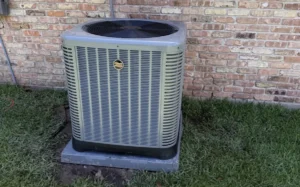
To find your system’s age, check the data plate on the outdoor unit. If the date is not printed there, a technician can read it from the serial number.
Does a warranty tell you how long an AC will last?
No. A manufacturer’s warranty covers parts that fail within a set term, and it says nothing about how long the whole system will run. Daikin, for example, advertises up to a 12-year parts limited warranty on its systems. That is a promise about parts, not a prediction that the system will last 12 years.
Warranty terms and registration rules differ by brand, so read the paperwork for your exact model. Keep your maintenance records too. Our maintenance plans include them, and they help if you ever need to make a warranty claim.
How can you make an air conditioner last longer?
You cannot change the climate, but you can control most of what shortens a system’s life here.
- Get it sized right. If you are replacing a system, ask how the size was calculated. It should come from your home, not the old unit’s label.
- Change filters on schedule. A clogged filter cuts airflow, and poor airflow costs years.
- Keep the outdoor unit clear. Trim plants back and keep grass clippings and leaves off the coil.
- Get a check-up every spring. Clean coils, a clear drain line, and a tested capacitor go a long way.
- Fix leaks instead of topping off. A system that keeps losing refrigerant keeps working harder.
Not every struggling unit is finished, either. We have had customers call ready to replace a condenser that only needed proper maintenance, and we took care of it in one service call.
When the system is near the end, we will tell you that too. On a system that old, the money is usually better spent toward a replacement. Our repair or replace decision table walks through that call by age and repair cost.
AC lifespan questions Louisiana homeowners ask
These are the questions we hear most once a system passes the ten-year mark. Most come back to the same idea: age starts the conversation, but condition finishes it.
How long do AC units last in Louisiana?
Most central air conditioners last about 7 to 15 years and heat pumps about 10 to 15, based on InterNACHI’s life expectancy chart. Louisiana’s long cooling season adds run time, so sizing, airflow, and regular maintenance decide if your system reaches the top of that range or the bottom.
Is a 15-year-old air conditioner worth repairing?
Sometimes, for a small part. At 15 years a system is at the top of the typical range, so a large repair is usually better spent toward a replacement. A second or third repair in a few seasons is a strong sign. Our decision table walks through the call by age and repair cost.
Do heat pumps wear out faster than air conditioners?
They have a similar typical range, about 10 to 15 years. A heat pump runs in both heating and cooling seasons, so in Louisiana it gets few long breaks. That year-round run time is part of why a gas furnace, which only runs in cold weather, usually lasts longer than a heat pump.
What shortens the life of an AC unit the most?
An oversized system, poor airflow, and dirty coils are the big three. ENERGY STAR says oversized equipment cycles too often, resulting in less comfort and a shorter lifespan, and that dirty coils make a system run longer and wear out sooner. All three are fixable.
How do I know how old my AC unit is?
Check the data plate on the outdoor unit. Many list the manufacture date, and if yours does not, a technician can read the date from the serial number. Your original installation paperwork or warranty registration will also show when the system went in.
How often should an AC unit be serviced?
Twice a year is ideal in this climate: once before cooling season and once before heating season. ENERGY STAR recommends at least an annual pre-season check-up, with the cooling system checked in the spring. A heat pump that runs all winter benefits most from the fall visit.
Is your system past ten years, or running harder than it used to? We will check it, tell you how much life it has left, and give you a free estimate on a replacement AC or heat pump if it needs one. Southern Dreams Mechanical is based in Denham Springs and serves Baton Rouge, Livingston Parish, Covington, and Saint Francisville. Call (225) 772-4703 Request a Free Estimate
Last updated November 19, 2026